Blender Salsa and Sauces: 7 Easy Recipes You Can Make in 5 Minutes
Restaurant-style salsa, salsa verde, marinara, chimichurri and more, plus how to get the texture right
As an Amazon Associate I earn from qualifying purchases. If you buy through links on this page, we may earn a small commission at no extra cost to you. Details.
Store-bought salsa and pasta sauce are convenient, but fresh versions made in a blender taste brighter, cost less, and take about five minutes. You also control exactly what goes in: how spicy, how salty, how chunky.
The trick with sauces in a blender is texture. Blenders are designed to make things smooth, which is perfect for some sauces and wrong for others. Once you know when to pulse and when to blend, you can make anything from chunky restaurant-style salsa to silky marinara.
This guide covers the pulse-vs-blend technique, seven easy recipes, and tips for storing fresh sauces safely.
Pulse vs. blend: the key to good texture
| Technique | What it does | Best for |
|---|---|---|
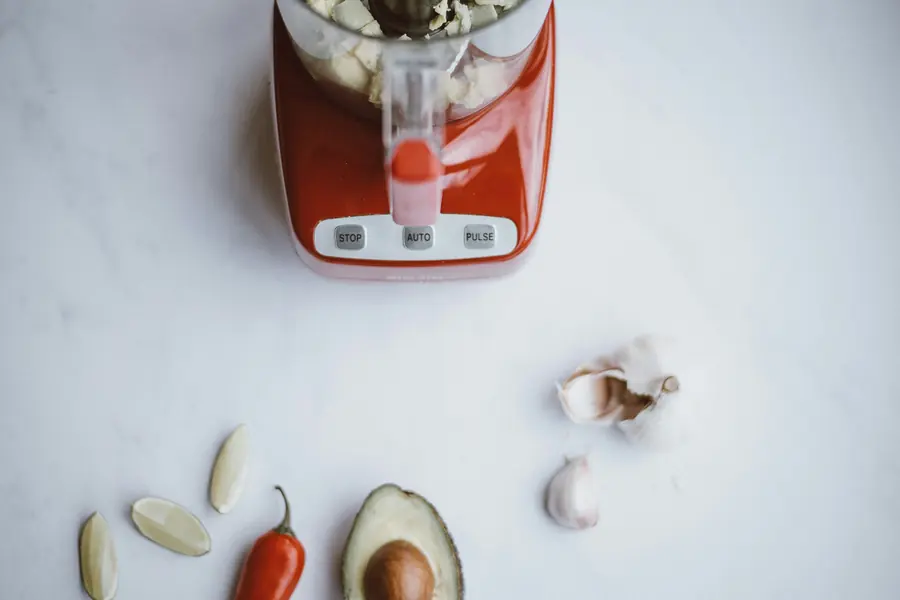
| Pulse (short 1-second bursts) | Chops ingredients while keeping texture | Restaurant-style salsa, chimichurri, chunky sauces |
| Low speed | Mixes gently with some texture | Pesto, romesco |
| High speed (blend continuously) | Makes completely smooth, emulsified sauces | Marinara, salsa verde, enchilada sauce, dressings |
Tips for chunky sauces:
- Load the blender with liquid ingredients first (tomatoes, lime juice), then the firmer ingredients on top. It’s the same principle as our smoothie layering order.
- Pulse, check, pulse again. It’s easy to go from chunky to purée in a couple of seconds.
- Cut firm ingredients like onion and peppers into similar-sized pieces so they chop evenly.
If you need very even chopping, a food processor gives more control. See our blender vs. food processor guide.
1. Restaurant-style blender salsa
The kind of thin, flavorful salsa you get with chips at a Mexican restaurant. Canned tomatoes make it consistent year-round.
Ingredients
- 1 can (about 14–15 oz) whole or diced tomatoes, with juice
- 1 can (about 10 oz) diced tomatoes with green chiles (optional, or use another can of tomatoes)
- ½ small onion, roughly chopped
- 1–2 garlic cloves
- 1 jalapeño, seeds removed for less heat
- ½ cup fresh cilantro
- Juice of 1 lime
- ½ teaspoon ground cumin
- ½–1 teaspoon salt, to taste
- Pinch of sugar (optional, balances acidity)
Method
- Add the tomatoes and lime juice first, then the onion, garlic, jalapeño, cilantro, cumin, salt and sugar.
- Pulse 8–12 times until it reaches the texture you like.
- Taste and adjust salt, lime and heat.
- Refrigerate for 30 minutes before serving so the flavors come together.
Handling hot peppers: The oils in chiles can irritate skin and eyes. Wear gloves or wash your hands well after cutting them, and don’t touch your eyes.
2. Roasted tomato salsa
Roasting adds smoky depth.
- Roast or broil 4–5 tomatoes, ½ onion, 2 garlic cloves and 1–2 jalapeños until blistered and charred in spots.
- Let them cool for 10–15 minutes before blending. Hot ingredients in a sealed blender can build pressure (see how to blend hot ingredients safely).
- Add to the blender with cilantro, lime juice and salt, and pulse to the texture you like.
3. Salsa verde (tomatillo salsa)
Tangy, bright and green.
- Remove the husks from about 1 lb of tomatillos and rinse off the sticky coating.
- Boil or roast them with ½ onion, 2 garlic cloves and 1–2 jalapeños or serranos until soft (boil about 5–10 minutes, until the tomatillos turn olive green).
- Cool slightly, then blend with a handful of cilantro, the juice of 1 lime and salt until fairly smooth.
4. 5-minute blender marinara
A simple, fresh pasta sauce.
Ingredients
- 1 can (28 oz) whole peeled tomatoes
- 3 tablespoons olive oil
- 2–3 garlic cloves
- ½ small onion (optional)
- 1 teaspoon dried oregano, or a handful of fresh basil
- ½ teaspoon salt, to taste
- Pinch of red pepper flakes (optional)
Method
- Blend all the ingredients until smooth, or pulse for a chunkier sauce.
- Pour into a saucepan and simmer for 15–20 minutes, stirring occasionally, to cook the garlic and onion and develop the flavor.
- Taste, adjust seasoning, and stir in torn fresh basil at the end.
Why blend first? Blending raw ingredients before simmering is faster than chopping and gives a smooth, even sauce. If you prefer to blend after cooking, let the sauce cool slightly and follow our hot soup safety guide, or use an immersion blender in the pot.
5. Chimichurri
The classic Argentinian herb sauce for grilled meat and vegetables. It should have texture, so pulse, don’t blend.
- Add ¼ cup red wine vinegar, ½ cup olive oil, 3 garlic cloves, 1 teaspoon dried oregano, ½ teaspoon red pepper flakes and salt to the blender.
- Add 1 cup fresh parsley (and a little cilantro if you like).
- Pulse a few times until finely chopped but not puréed.
- Rest for 20 minutes before serving.
6. Romesco sauce
A Spanish sauce of roasted peppers and nuts, great with vegetables, fish and chicken.
- Blend 1 jar (about 12 oz) roasted red peppers (drained), ½ cup toasted almonds, 1 garlic clove, 2 tablespoons sherry or red wine vinegar, 1 teaspoon smoked paprika, ⅓ cup olive oil and salt until fairly smooth with a little texture.
- Add a slice of toasted bread for a thicker sauce.
Nuts can be tough on blenders. If yours struggles, add a little more oil or water, and see our tips in how to make nut butter in a blender.
7. Easy enchilada sauce
- Blend 1 can (15 oz) tomato sauce, 1 cup broth, 2 tablespoons chili powder, 1 teaspoon cumin, ½ teaspoon garlic powder, ½ teaspoon onion powder, ½ teaspoon dried oregano and salt until smooth.
- Simmer in a saucepan for 10–15 minutes until slightly thickened.
Pulse for salsa and chimichurri, blend for marinara and salsa verde. That one choice decides whether a sauce tastes homemade or restaurant-quality.
Troubleshooting blender sauces
| Problem | Likely cause | Fix |
|---|---|---|
| Salsa is watery | Juicy fresh tomatoes | Drain some juice, or use canned tomatoes; strain briefly |
| Salsa turned into purée | Blended instead of pulsed | Pulse in short bursts and check often |
| Salsa is foamy | Blending at high speed whips in air | Pulse instead; let it rest and stir |
| Too spicy | Too many seeds and membranes in the chiles | Add more tomato, lime or a pinch of sugar |
| Sauce tastes bitter or harsh | Raw garlic or too much olive oil blended at high speed | Simmer sauces with raw garlic; blend oil on low or stir it in |
| Chimichurri is paste-like | Over-blended | Pulse briefly or chop herbs by hand |
Storing fresh salsas and sauces
- Refrigerate promptly in clean, airtight containers.
- Fresh salsas are best within a few days. Cooked sauces like marinara and enchilada sauce usually keep a little longer in the fridge.
- Freeze marinara, enchilada sauce and romesco in portions for up to a few months. Fresh tomato salsa and chimichurri don’t freeze as well, as they turn watery or lose their bright flavor.
- Garlic in oil (like chimichurri) should always be refrigerated and used within a few days. Homemade garlic-in-oil mixtures stored at room temperature carry a botulism risk.
For more on storing food safely, see FoodSafety.gov and the USDA Food Safety and Inspection Service.
Cleaning up
Tomato-based sauces can stain plastic jars, especially when they contain oil. Rinse the jar straight away, then use our 60-second cleaning method. If a tint remains, our guide to removing stains from a plastic blender jar has you covered.
Handy tools
Frequently asked questions
Can you make salsa in a blender?
Yes. Add the tomatoes and lime juice first, then the other ingredients, and pulse 8–12 times until you reach the texture you like. Canned tomatoes give a consistent restaurant-style salsa year-round.
How do I keep blender salsa from getting too smooth?
Use the pulse button in short bursts and check the texture after every few pulses. Cutting firm ingredients into even pieces helps them chop evenly.
Why is my blender salsa foamy?
Blending at high speed whips air into the salsa. Pulse instead of blending continuously, and let it rest for a few minutes before serving. The foam will settle.
Can I blend hot ingredients for sauce?
Let roasted or boiled ingredients cool slightly first. Hot ingredients in a sealed blender can build steam pressure and push the lid off. Use a blender rated for hot liquids, fill it no more than about halfway, vent it as your manual directs, and start on low, or use an immersion blender.
How long does homemade salsa last?
Fresh salsa is best within a few days in the fridge. Cooked sauces like marinara usually keep a little longer, and many cooked sauces freeze well in portions.
The bottom line
A blender turns out fresh salsas and sauces in minutes. Pulse for chunky sauces like salsa and chimichurri, blend for smooth sauces like marinara and salsa verde, let hot ingredients cool before blending, and refrigerate fresh sauces promptly.
Want more ideas? See 15 things you didn’t know your blender could make.

We research blenders so you don't have to: we compare specs, warranties and thousands of owner reviews, and write practical guides for getting more out of the blender you already have.