How to Remove Stains From a Plastic Blender Jar (Turmeric, Tomato, Berries and More)
Six gentle methods that lift stubborn color, plus how to stop stains before they start
As an Amazon Associate I earn from qualifying purchases. If you buy through links on this page, we may earn a small commission at no extra cost to you. Details.
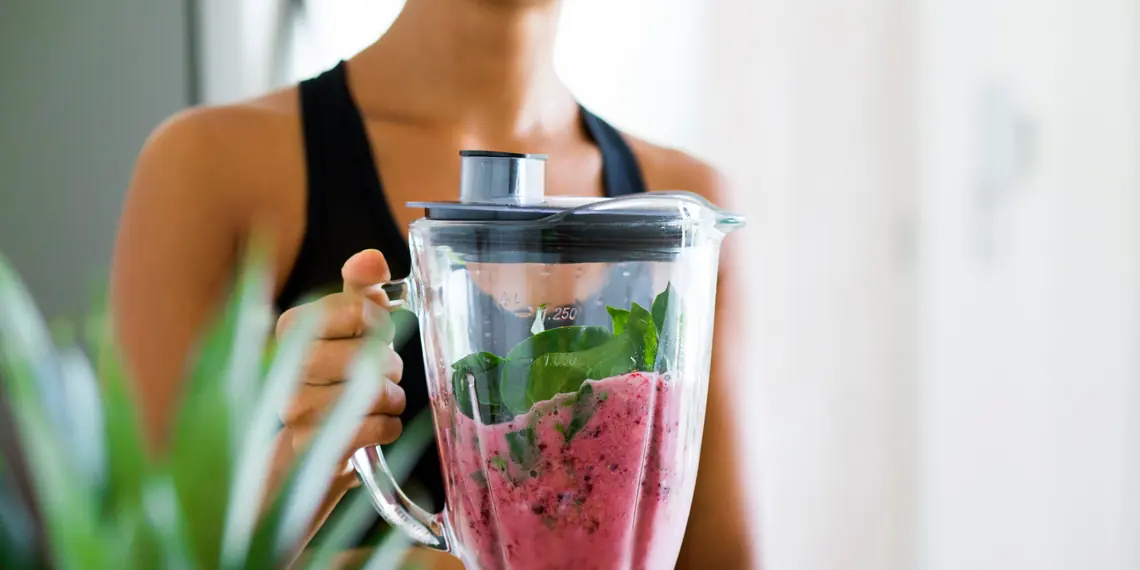
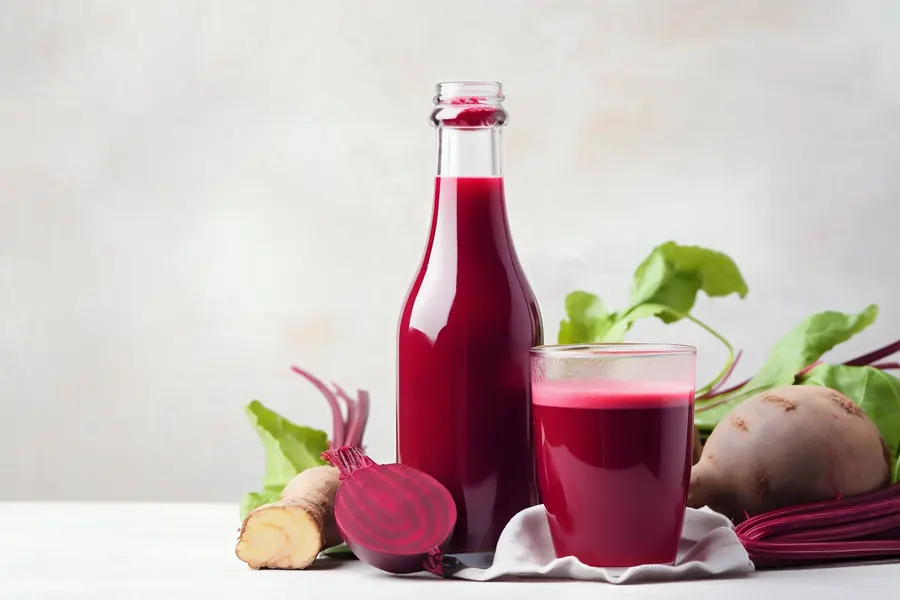
You made a golden turmeric smoothie, a batch of tomato soup or a beet and berry juice, and now your blender jar has a stubborn orange, red or purple tint that won’t wash out.
Plastic blender jars are especially prone to staining. The good news is that most stains can be lifted or faded with gentle, food-safe methods, and a few simple habits will stop them happening again.
This guide explains why plastic stains, six methods to remove stains (from gentlest to strongest), which method works best for which stain, and how to prevent stains in future.
Before you start: Unplug the blender, remove the jar, and never put the motor base in water. Check your manual for dishwasher guidance and any cleaners the manufacturer says to avoid.
Why plastic blender jars stain
Most blender jars are made from tough, clear plastics like Tritan. They’re lightweight and shatter-resistant, but plastic is slightly porous at a microscopic level, especially once it has fine scratches from ice and frozen fruit.
Strongly colored ingredients contain pigments that cling to plastic:
- Turmeric contains curcumin, a bright yellow pigment that’s notorious for staining. It’s also fat-soluble, so it clings to oily residue.
- Tomatoes contain lycopene, a red pigment that bonds to plastic, especially when warm and combined with oil.
- Beets, berries and red cabbage contain deep red and purple pigments.
- Spinach and greens can leave a faint green tint over time.
- Coffee, cocoa and curry spices can darken plastic gradually.
Heat, oil and time all make stains worse, which is why a hot tomato soup or an oily curry sauce stains more than a cold berry smoothie.
Which method works best for which stain?
| Stain | Best methods to try first |
|---|---|
| Turmeric and curry | Sunlight, baking soda paste, dish soap degreasing |
| Tomato sauce and soup | Degreasing, baking soda paste, sunlight |
| Beets and berries | Baking soda paste, lemon juice, vinegar soak |
| Coffee and cocoa | Baking soda soak, vinegar soak |
| Greens | Baking soda paste, lemon juice |
| General dullness and film | Vinegar soak. See our guide to cloudy blender jars |
Method 1: Degrease first (dish soap and warm water)
Many stains are held in place by a thin layer of oil or fat, especially turmeric, tomato and curry. Removing the grease first makes every other method work better.
- Fill the jar halfway with warm (not boiling) water.
- Add a few drops of grease-cutting dish soap.
- Blend for 30–60 seconds, starting on low.
- Pour out, rinse and check. Light stains may already be gone.
This is the same self-clean method from our 60-second blender cleaning guide.
Method 2: Baking soda paste
Baking soda is a mild abrasive and deodorizer that lifts many stains without scratching.
- Mix 2–3 tablespoons of baking soda with a little water to form a thick paste.
- Spread it over the stained areas with a soft sponge or cloth.
- Let it sit for 15–30 minutes (or a few hours for stubborn stains).
- Rub gently in small circles, then rinse and wash.
For all-over staining: Fill the jar with warm water and 2–3 tablespoons of baking soda, blend briefly, and let it soak for a few hours or overnight.
Method 3: Sunlight (the turmeric trick)
This sounds too simple, but it’s one of the most effective ways to fade turmeric and tomato stains. The ultraviolet light in sunlight breaks down many natural pigments, including curcumin.
- Wash and dry the jar.
- Place it in direct sunlight, such as a sunny windowsill or outside, for a few hours to a full day.
- Check it and repeat on another sunny day if needed.
Tip: Combine this with Method 2. Apply the baking soda paste, rinse, then put the jar in the sun.
Method 4: Lemon juice
The mild acidity of lemon juice can lighten many fruit and vegetable stains, and it leaves a fresh smell.
- Rub the stain with a cut lemon or wipe it with lemon juice on a cloth.
- Leave it for 30 minutes to a few hours (in sunlight for extra effect).
- Rinse and wash thoroughly.
Method 5: White vinegar soak
Vinegar is good at lifting coffee, cocoa and general discoloration, and it also removes the hard-water film that can make stains look worse.
- Fill the jar with equal parts white vinegar and warm water.
- Soak for 1–4 hours or overnight.
- Scrub gently, then wash with soapy water and rinse well to remove the smell.
Don’t combine vinegar and baking soda in a closed, lidded jar. The reaction releases gas that can push the lid off. Use them one after the other, rinsing in between.
Method 6: Denture tablets or hydrogen peroxide (for stubborn stains)
For stains that won’t budge, some people have success with:
- Denture cleaning tablets: Fill the jar with warm water, drop in one or two tablets, soak for a few hours, then wash and rinse very thoroughly.
- 3% hydrogen peroxide: Wipe the stain with a cloth dampened with household 3% hydrogen peroxide, or soak briefly, then wash and rinse very thoroughly.
Use these with care: Check your manual first, since some manufacturers advise against certain cleaners. Rinse the jar extremely well before using it for food, and never mix cleaning products together. For general guidance on using household chemicals safely, see the U.S. Environmental Protection Agency.
Avoid bleach on a regular basis. It can weaken some plastics and isn’t necessary for most food stains.
Degrease first, then baking soda, then sunlight. That sequence fades most turmeric and tomato stains without any harsh chemicals.
What not to do
- Don’t use steel wool or abrasive scouring pads. Scratches make future stains worse and the jar cloudier.
- Don’t use boiling water in plastic jars unless your manual says it’s safe.
- Don’t mix cleaning chemicals. In particular, never mix bleach with vinegar or ammonia.
- Don’t soak the blade assembly for long periods unless your manual says you can. It can wash lubricant out of the bearing and lead to leaks. See how to fix a blender leaking from the bottom.
How to prevent blender stains
- Rinse immediately. Pigments set over time, so rinse the jar straight after blending turmeric, tomato or beets.
- Self-clean straight away with warm water and a drop of dish soap.
- Blend staining ingredients with less oil, or add the oil after blending when you can.
- Let hot sauces cool slightly before blending. Heat helps pigments bond to plastic. (And for safety, see our guide to blending hot soup safely.)
- Blend a neutral smoothie after a staining one. A banana or yogurt smoothie can help pick up remaining pigment before it sets.
- Consider a glass jar for frequent turmeric or tomato use, if your blender offers one.
When to accept a stain
Some stains, especially old turmeric stains in heavily scratched jars, may never disappear completely. A faint tint is cosmetic and doesn’t affect how your blender works or its safety, as long as the jar is clean and intact.
Replace the jar if it’s cracked, deeply scratched or holds smells that won’t wash out. Many manufacturers, including Vitamix and Ninja, sell replacement jars for specific models.
Handy tools
Frequently asked questions
How do I get turmeric stains out of my blender?
Degrease with warm water and dish soap first, then apply a baking soda paste and let it sit. Rinse, then place the jar in direct sunlight for a few hours. UV light fades turmeric’s yellow pigment. Repeat if needed.
How do I remove tomato stains from a plastic blender?
Tomato stains are held by oil, so start by blending warm water with grease-cutting dish soap. Then use a baking soda paste, and finish with a few hours in direct sunlight.
Can I use bleach to remove blender stains?
It’s best to avoid bleach for routine stains, as it can weaken some plastics and isn’t usually needed. Try dish soap, baking soda, sunlight, lemon juice or vinegar first, and check your manual before using any strong cleaner.
Does sunlight really remove stains from plastic?
Yes, for many natural pigments like turmeric and tomato. Ultraviolet light breaks down the pigments over a few hours to a day. It’s one of the most effective methods for yellow and orange stains.
How do I stop my blender from staining?
Rinse the jar straight after blending strongly colored foods, use the self-clean method immediately, avoid blending staining ingredients hot with lots of oil, and don’t scratch the jar with abrasive pads.
The bottom line
Most blender stains come from strongly colored, oily ingredients like turmeric and tomato. Degrease first, use a baking soda paste, and let sunlight do the rest. Lemon juice and vinegar help with fruit and coffee stains. Rinse straight after blending staining foods and your jar will stay much clearer.
For everyday cleaning, follow our 60-second blender cleaning method.

We research blenders so you don't have to: we compare specs, warranties and thousands of owner reviews, and write practical guides for getting more out of the blender you already have.